
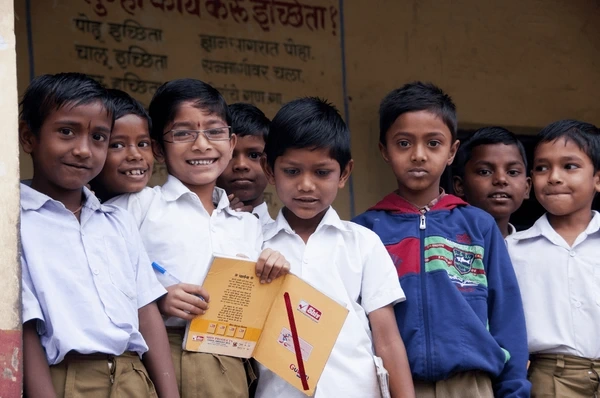
Most parents want their children to study and build a better future. Education is valued across households, regardless of income. Yet, for many families, intention alone is not enough to keep children in school. Financial limitations often turn education into a daily struggle rather than a steady journey.
For families managing limited incomes, the cost of school books, notebooks, uniforms, and learning materials can feel overwhelming. These expenses may seem small individually, but together they place significant pressure on households already balancing rent, food, and basic needs. As a result, children are sometimes sent to school unprepared, or asked to manage without essential materials, which slowly affects their confidence and learning.
When children fall behind due to lack of resources, the impact goes beyond academics. They may feel different from their peers, hesitate to participate in class, or gradually lose interest in school altogether. Over time, these small gaps grow into larger challenges, increasing the risk of children dropping out before completing their education.
Education also depends heavily on timing. Receiving books weeks or months after the academic year begins can leave children struggling to catch up. Early access to learning materials allows children to start on equal footing, engage with lessons, and build confidence from the very beginning. Without timely support, even motivated students can feel discouraged.
True educational support recognises that learning requires more than motivation—it requires tools, consistency, and encouragement. When children are given the right resources at the right time, they are better equipped to stay in school, participate actively, and dream beyond immediate limitations.
Education should not be a test of financial strength. When learning is supported with care and understanding, it becomes a pathway for growth, confidence, and opportunity that can shape lives for generations.